Transportation Management

Transportation management system for operators who own the trucks

Dispatch that knows who is actually available, documents captured the way drivers already report them, and billing that releases off a confirmed delivery. Built around the events that happen out on the road.

  • Runs on your existing stack
  • Live in weeks, not quarters
  • Pay only after go-live
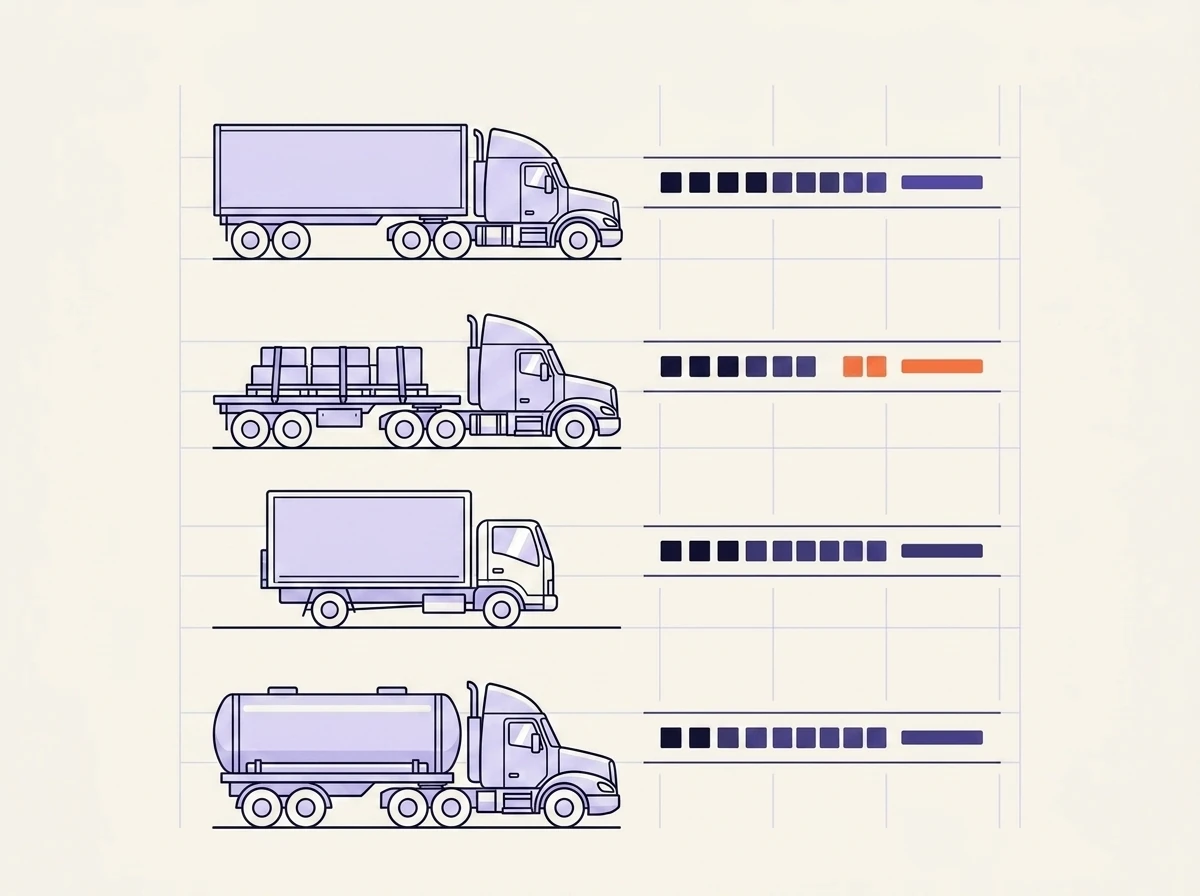
Illustrated road fleet: a dry-van tractor-trailer, flatbed, box truck and tanker drawn as line art, each with a delivery timeline beside it, one timeline highlighted in orange where the run ran late.

The category

What a transportation management system actually covers

A TMS runs the work of moving freight. Taking the order, planning who drives what, tracking the load, capturing the paperwork, and billing for it. Most TMS software on the market was built for the party buying the transport, where the load gets tendered out and somebody else deals with the driver and the truck.

An operator who owns the fleet has a different hard problem. The day is decided by dispatch, driver hours, a vehicle that failed its check at six in the morning, and whether the signed delivery note made it back to the office. That is where this page sits, alongside the rest of Opsima's industrial software range.

The gap

When the back office is always a few days behind

01

A load is delivered on Monday and invoiced on Thursday, because nobody has the signed delivery note.

02

Dispatch rebuilds the day around an absence, and the plan in the system still shows this morning.

03

The same delivery gets keyed into your system, the customer portal and a spreadsheet.

04

A customer asks where their freight is, and somebody has to phone the driver to find out.

None of those are software problems in the usual sense. Every one of them is an event that happened, and then took days to become a record. That lag is what this page is about.

Capabilities

What the platform covers

Nine areas, grouped around the way an asset-based operator actually runs instead of around a list of features.

Dispatch

A plan that survives contact with the day

Loads assigned against who is actually available: hours left, licences held, absences called in this morning. When somebody does not show, the day gets reshuffled around the gap instead of being rebuilt from scratch on a whiteboard.

Sourcing

More loads without more phone calls

Connections into the freight platforms and customer portals you already sell through, so open capacity gets matched against work that is worth taking. Empty running and backhaul gaps show up while there is still time to fill them.

Quoting

Quotes that price in what the run actually costs

Fuel, tolls, driver hours and the return leg priced from your own history rather than from a rate that was set last year. The quote reflects the cost of that lane this month, so margin stops being a surprise at the end of the quarter.

Billing

Proof of delivery that triggers the invoice

A confirmed delivery raises the invoice, with the signature, timestamp and any wait time attached. The days between the load landing and the bill going out stop being the reason your cash sits with the customer.

Documents

Paperwork that arrives as data

Bills of lading, manifests, packing lists and delivery notes read and turned into structured records, whether they come in as a PDF, a scan, an email or a photo taken at the gate. The breakdown by document type is further down this page.

Field events

What happened on the road reaches the record

A two-hour wait at a customer gate, a load refused at the door, a trailer swapped mid-route. These get reported the way drivers already report them, and they land on the job as data you can bill for and plan around.

Telemetry

ELD, tachograph and truck telemetry in one place

Hours of service and vehicle data feed the same record as the dispatch plan. The plan reflects who can legally drive and which trucks are actually roadworthy, rather than who looks free on a spreadsheet.

Safety

Checks, defects and licences that leave a trail

Walk-around checks done on a phone at the vehicle. Defects turn into work and get tracked until they close. Licence and medical expiry sit on the driver record, so the trail exists before a regulator or an insurer asks for it.

Back office

Fits around the ERP you already have

Your finance system stays the system of record for money. Opsima reads what it holds, writes clean job and billing data back, and lets IT review and sign off the rollout in staging before anything goes live.

EDI and documents

Every document, and what it rides on

Your customers trade in X12 transactions. Your drivers trade in paper, photos and phone calls. Both have to end up as the same record.

Bill of lading

EDI 204, EDI 211

The load tender that starts the job, and the motor carrier bill of lading that travels with it.

Manifest

EDI 315

Status detail for the container or consignment as it moves between parties.

Packing list

EDI 856

The advance ship notice: what is on the vehicle, packed how, in what order.

Proof of delivery

EDI 214

Shipment status and delivery confirmation. In Opsima this is what releases the invoice.

Freight invoice

EDI 210

Billed from the job record, with accessorials and wait time already attached.

Hazardous materials declaration

Carried in 204 and 856

Hazmat has no transaction set of its own. It rides as segments inside the tender and the ship notice, and Opsima keeps it attached to the job so the paperwork matches the load.

Plenty of tools speak X12. What matters here is that a delivery confirmed by a driver at a gate and an EDI 214 arriving from a customer end up as the same event on the same job. The EDI and document processing page covers the transaction sets, partner onboarding and acknowledgement tracking in full.

Where the lines fall

TMS, CRM and CMMS all stop somewhere

Three systems, three scopes, and the trouble usually starts in the space between them.

CRM

The customer

Starts at the lead and ends when the deal is won. It knows who the customer is and what they were promised. It does not know where the truck is or whether the delivery went badly.

TMS

The load

Starts when work is accepted and ends when it is delivered and billed. It plans the day, tracks the freight and produces the paperwork. It rarely knows whether the vehicle is fit to run.

CMMS

The vehicle

Starts when a defect or a service is raised and ends when it is fixed. It knows the truck is off the road. It has no idea which three loads that leaves stranded.

A driver calls in sick. That is a dispatch problem, a customer problem and, by the afternoon, a billing problem. It is one event, and it has to be entered three times. Opsima either connects the three systems so the event lands once, or replaces the combination when running all three has become the thing slowing you down.

The difference

The events that decide the day never reach the system

Every TMS handles the planned part well. The load is entered, the route is set, the invoice is raised. That is the part of the day that goes to plan, and in transport that is rarely the part that costs you money.

A driver waits two hours at a customer gate and mentions it when he gets back. A pallet is refused at the door and the reason gets explained over the phone. A trailer is swapped mid-route and the paperwork catches up on Thursday. Radio, paper and messages are how those things get reported, and none of them are the problem. The problem is that the record was never built.

Opsima picks those events up from the channels your crews already use and writes them to the job. That is why the wait time gets billed instead of absorbed, and why the office knows on Monday.

In the field

At Taavura's Earth Moving Division, the same recording layer stuck with field crews after ERP integrations and standard fleet systems had already failed to.

Maintenance, operations, IT and engineering all read one picture, and nobody had to change how they report. At PNCT, a US container terminal running more than 100 straddle carriers, the same layer lifted fleet availability by 5% and cut breakdowns by roughly 15%. Both are heavy operations rather than long-haul trucking, and the mechanism is the one described above: capture the event where it happens, and let the record build itself.

Delivery

Two ways in

Tailor

Build the layer on what you already run

Your TMS, ELD and finance system stay where they are. Opsima adds the capture and routing layer around them, so events land once and the systems you already pay for stop disagreeing. IT reviews and signs off the rollout in staging before it goes live.

Build

Replace the combination you have outgrown

When the answer has become three tools and a spreadsheet holding them together, Opsima builds the replacement around your lanes, your yard and the way your drivers already report. It runs on your servers or ours. Working software ships in weeks, and you pay once it earns its place.

Questions from operations and maintenance teams

What is a transportation management system?
A TMS runs the work of moving freight: taking the order, planning who drives what, tracking the load, capturing the paperwork, and billing for it. Large shippers use one to buy transport. An operator who owns the trucks needs something different, because their hard problem is the yard and the road rather than the rate card.
How is this different from the TMS our broker or 3PL uses?
Most TMS products are built for the party buying the transport. They assume the load is tendered out and someone else deals with the driver, the truck and the depot. If you own the fleet, the work that decides whether the day goes well is dispatch, driver availability, defects and getting the signed paperwork back. That is what this is built around.
Do you support EDI?
Yes. Load tenders, status updates, shipment notices and freight invoices map to the standard X12 transactions, and the documents your crews handle on paper get turned into the same structured data. There is a full breakdown further up this page, document by document.
Does it replace our CRM and our maintenance system?
It does not have to. A CRM owns the customer, a CMMS owns the vehicle, and a TMS owns the load. Opsima can connect the three so one event updates all of them, or replace the combination when running three systems has become the problem.
How do you handle drivers who cannot stop to fill in a form?
By not asking them to. Events get captured the way the driver already reports them, and the structured record gets built from that. A delivery confirmed by voice at the gate lands in the system as a delivery, with the time and the location attached.
Can it work alongside our ELD and telematics?
Yes. Hours of service, tachograph data and truck telemetry feed the same record as the dispatch plan and the job history, so the plan reflects who is legally able to drive rather than who is theoretically free.
Working session

Your lanes. Your yard.
Software built for them.

Bring one lane where the paperwork always arrives after the invoice should have. We build it on your real data and run it with you. You pay only after it goes live.

On your existing stack
Live in weeks, not quarters
Pay only after go-live
Built and run for you