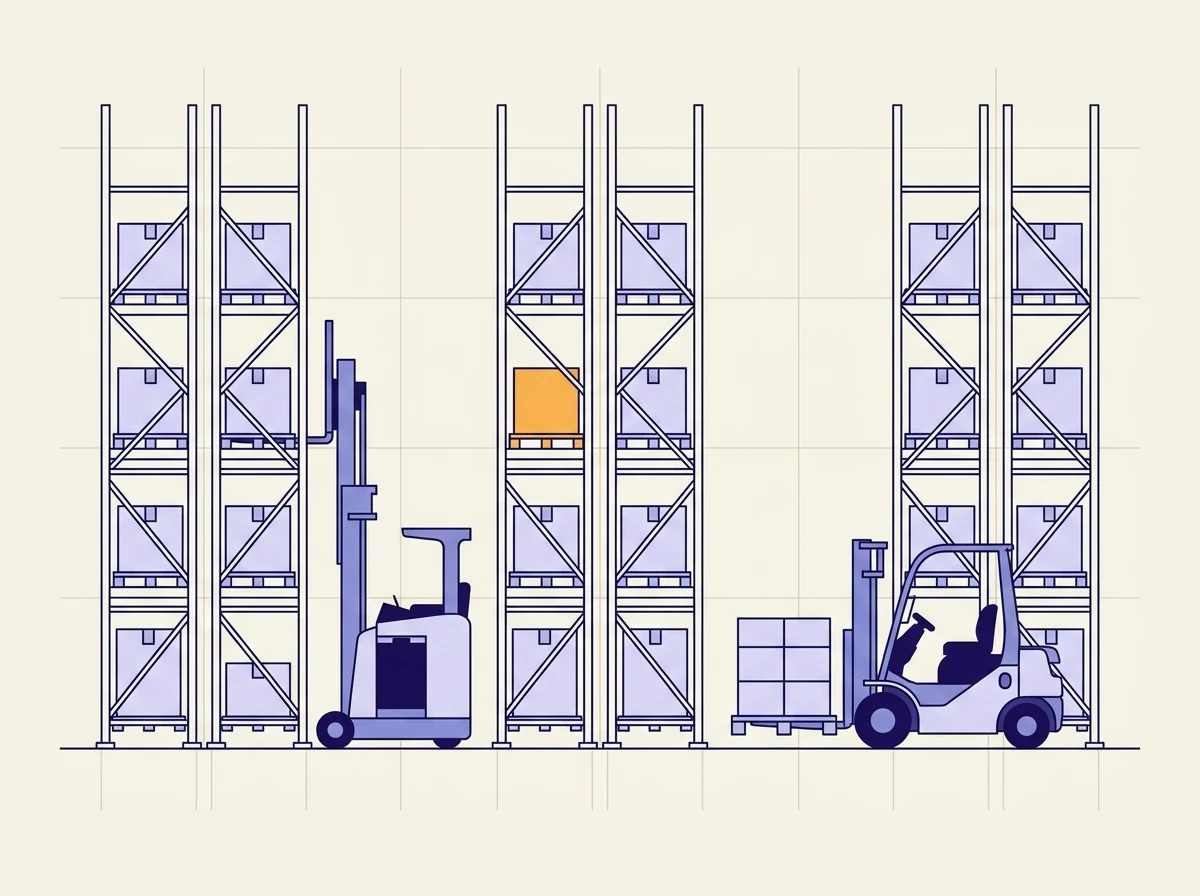
Industrial software

Industrial software solutions, built one operation at a time

The asset register, the maintenance workflow, the dispatch board, the parts shelf and the document trail. Opsima builds those on top of the systems you already run, or as the replacement once you have outgrown them.

  • Runs on your existing stack
  • Live in weeks, not quarters
  • Pay only after go-live

The category

What industrial software actually covers

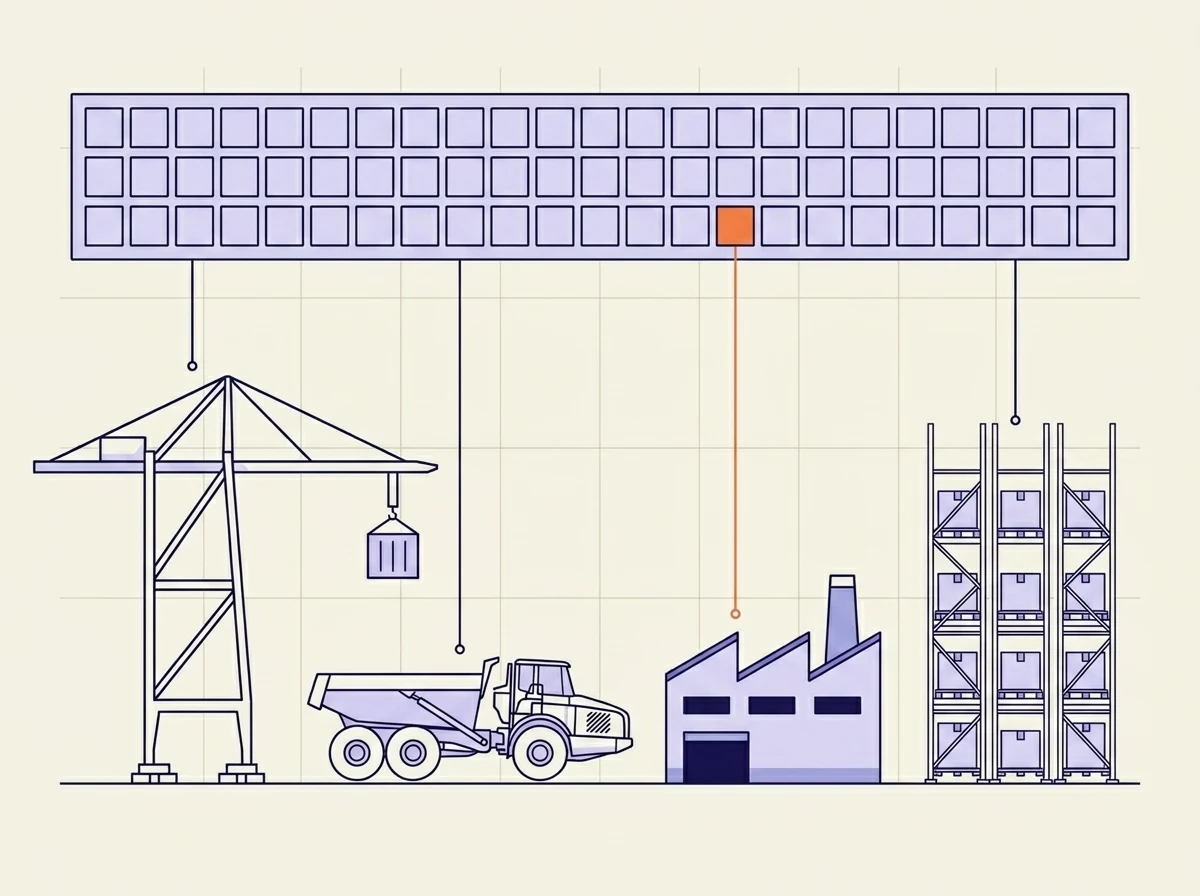
Industrial software is the category of system a heavy operation runs on day to day: the asset register, the maintenance workflow, the dispatch board, the parts shelf and the document trail. Most operations run three or four of them, bought separately, held together by people retyping between screens.

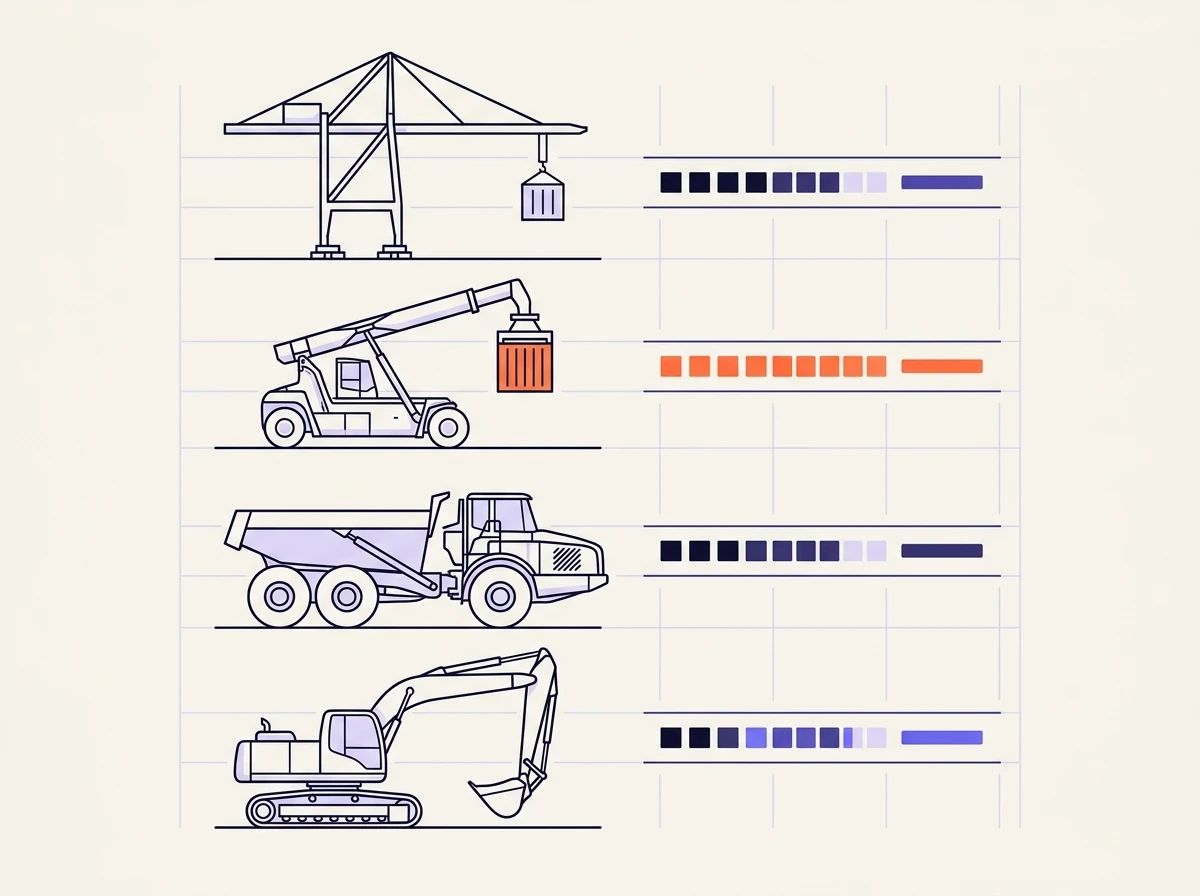
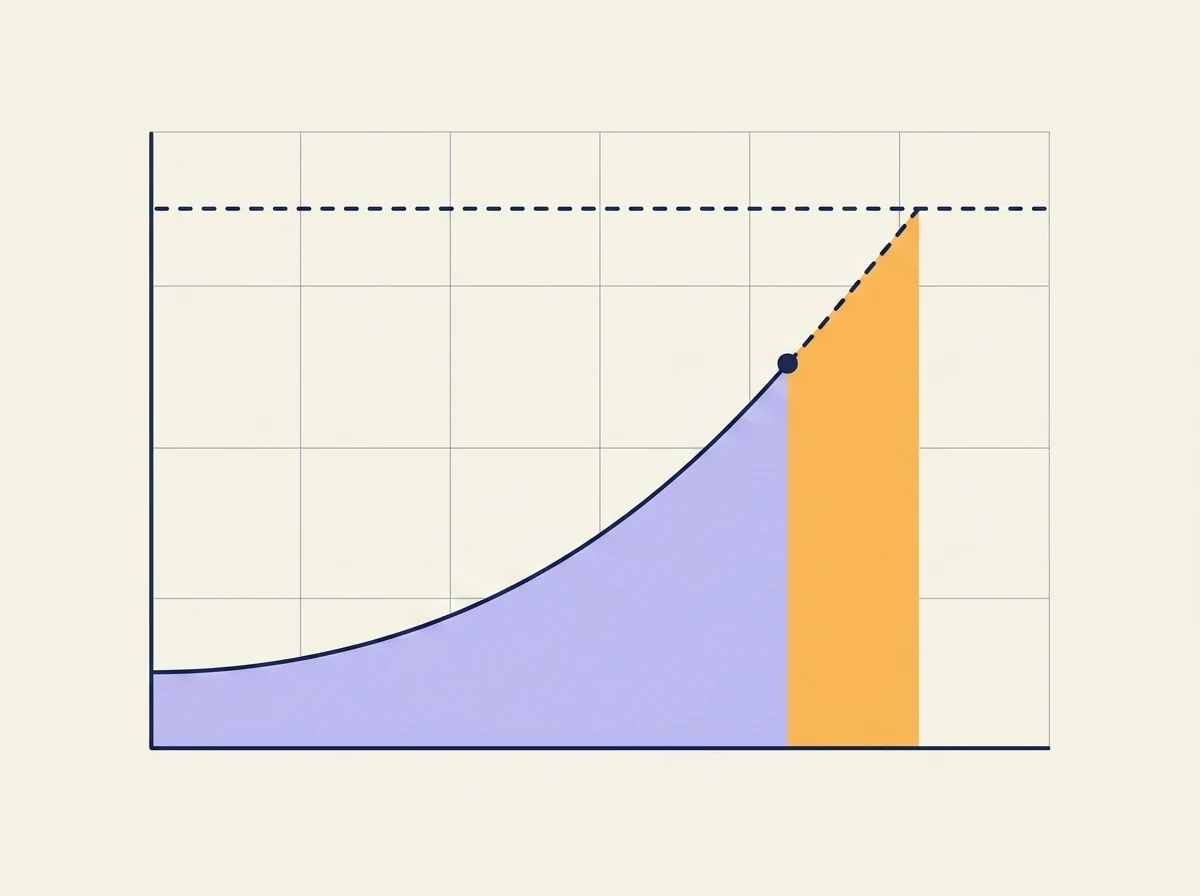
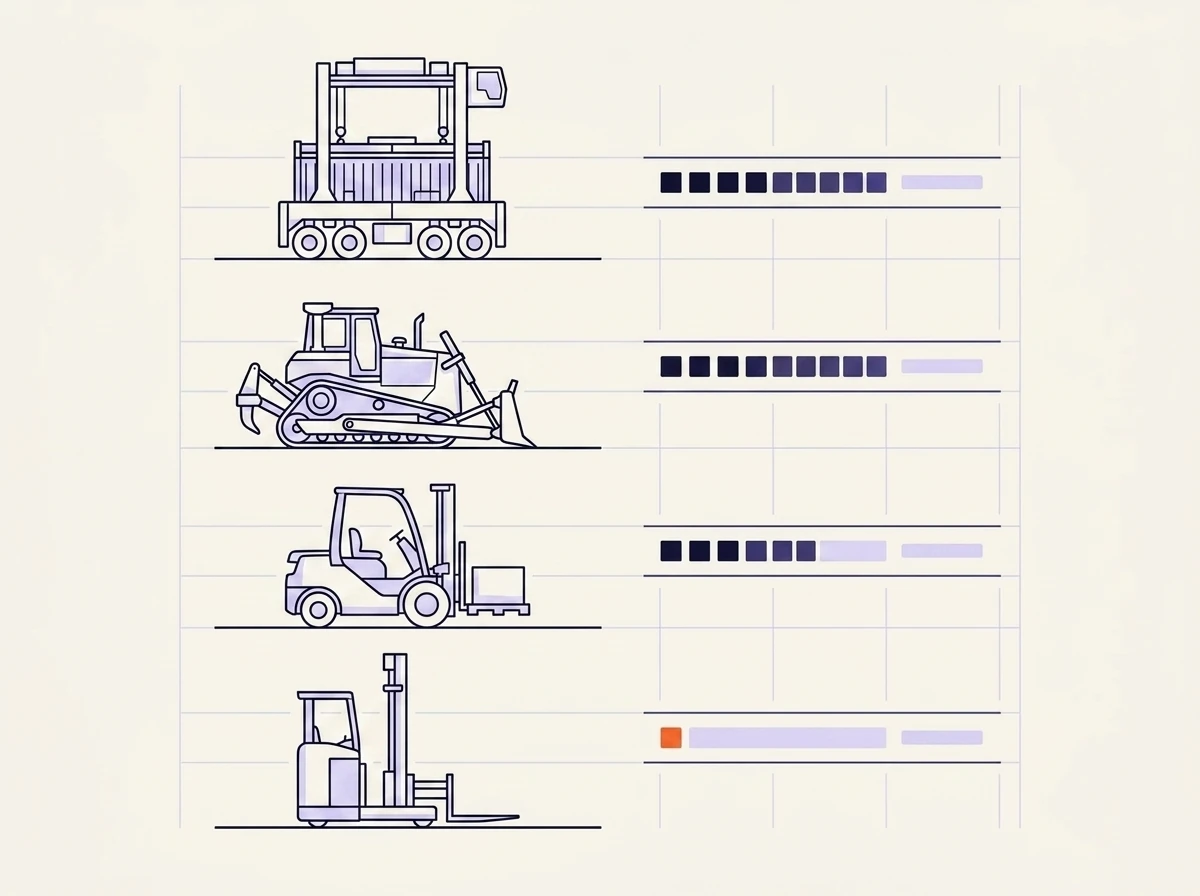
The gap is rarely the software itself. It is what never reaches it. At PNCT, a US container terminal running more than 100 straddle carriers, recorded equipment status changes went from roughly 1,000 a month to roughly 14,000 a month once capture matched the way the yard actually works. The work was always happening. The record was not.

That is the layer Opsima builds, in whichever category the operation needs it. Eight categories have their own page today. The rest are built on request, on the same platform and the same data model.

The range

Categories Opsima builds

Eleven categories, one platform underneath. Each one starts from the way your operation already works instead of a product you have to be configured into.

Built on request, on the same platform. Ask for the one you need and it gets scoped in the working session.

  • Terminal operating (TOS)

    Yard moves, gate flow and vessel work, alongside the equipment that does them.

  • ERP extensions

    The operational layer SAP, Oracle and Priority were never meant to hold.

  • Equipment and IIoT monitoring

    Sensors, gateways and telematics feeding one machine record.

Delivery

Two ways in

Tailor

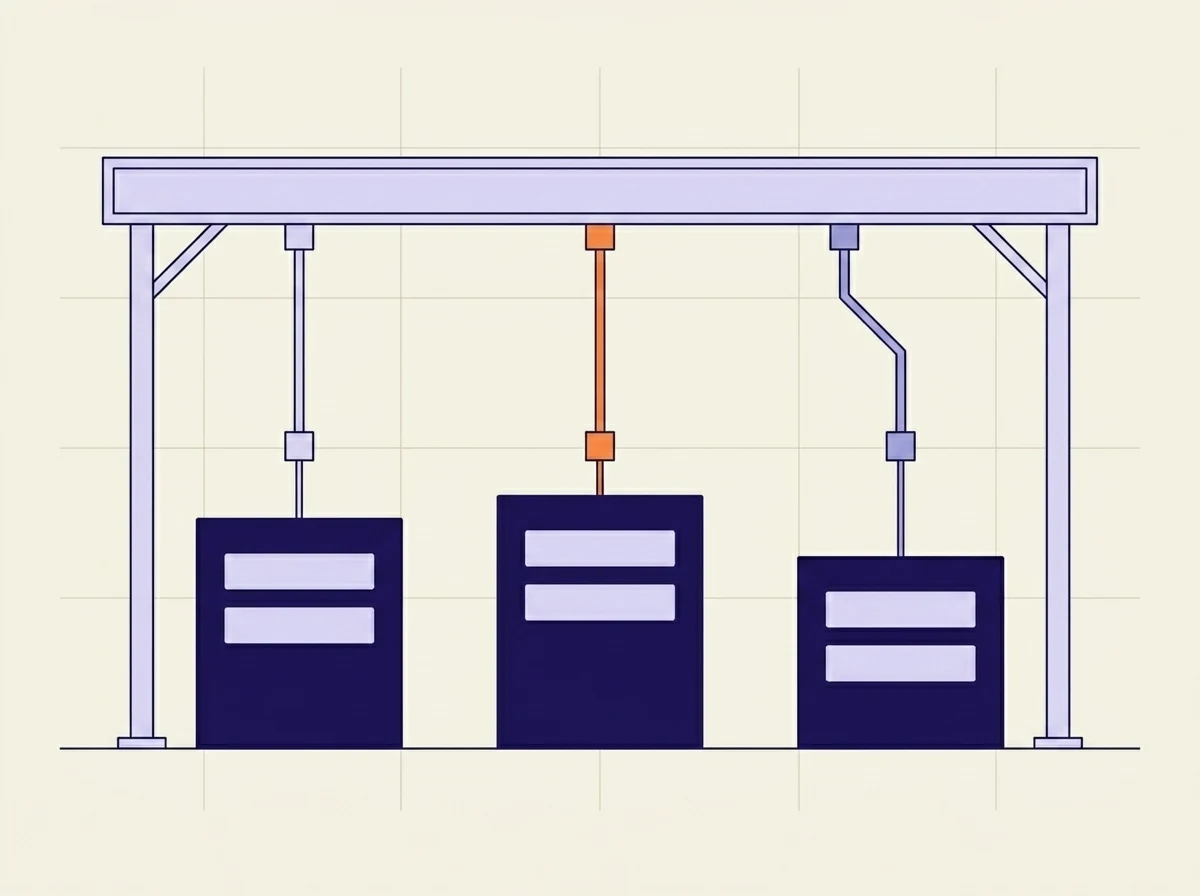
Build the layer on what you already run

Your SAP, Oracle, Maximo or Navis stays your main system. Opsima adds the working layer around it and feeds clean records back in. Nothing gets ripped out, and IT reviews and signs off the rollout in staging before it goes live.
Build

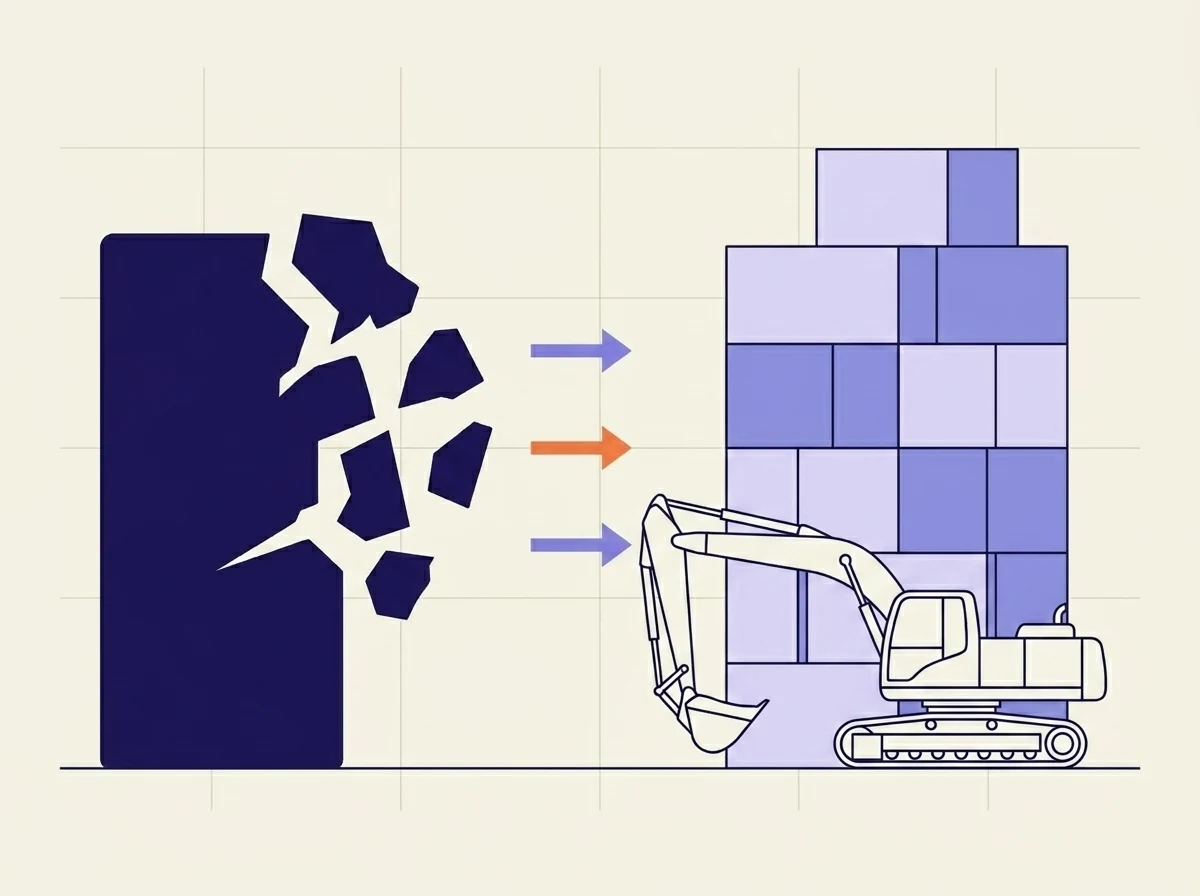
Replace the system you have outgrown

When the old platform is the thing holding you back, hard to change and expensive to touch, Opsima builds the replacement around your machines and the way your crews work. It runs on your servers or ours. Working software ships in weeks, and you pay once it earns its place.

How it runs

What a build actually looks like

01

Start with one workflow you can name, on your real data rather than a demo set.

02

Working software ships in weeks. You watch it run on your own operation before anything is signed for the long term.

03

It runs on your servers or ours, and IT reviews the rollout in staging before it goes live.

04

You pay once it earns its place.

That order matters more than the category. A licence you configure for six months is a different purchase from software that is already running on your yard before the contract is long.

In the field

At PNCT, the equipment layer underneath all of this lifted fleet availability by 5% and cut breakdowns by roughly 15%, across more than 100 straddle carriers.

Taavura's Earth Moving Division runs the same layer across quarries and infrastructure sites, after ERP integrations and standard fleet systems had already failed to stick with field crews. Maintenance, operations, IT and engineering all read one picture, and nobody had to change how they report.

Questions from operations and maintenance teams

What is industrial software?
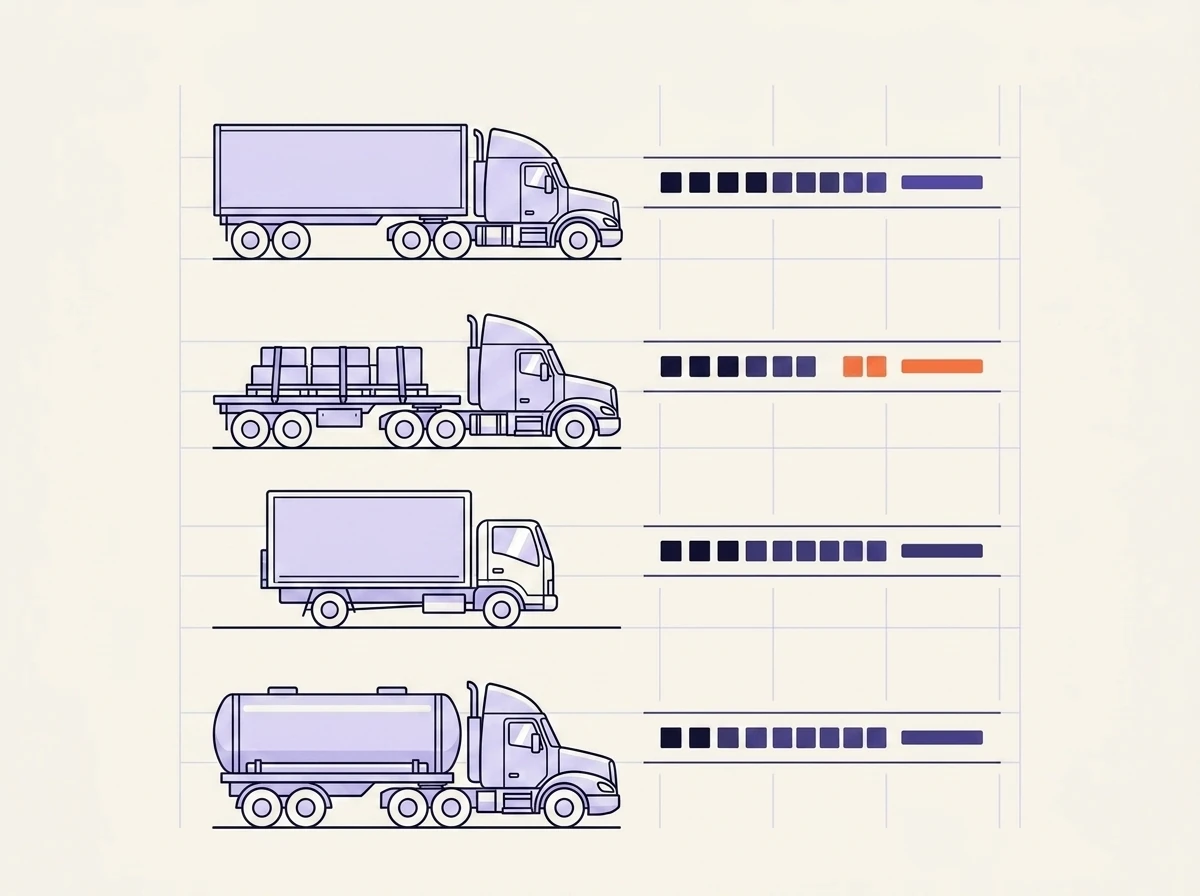
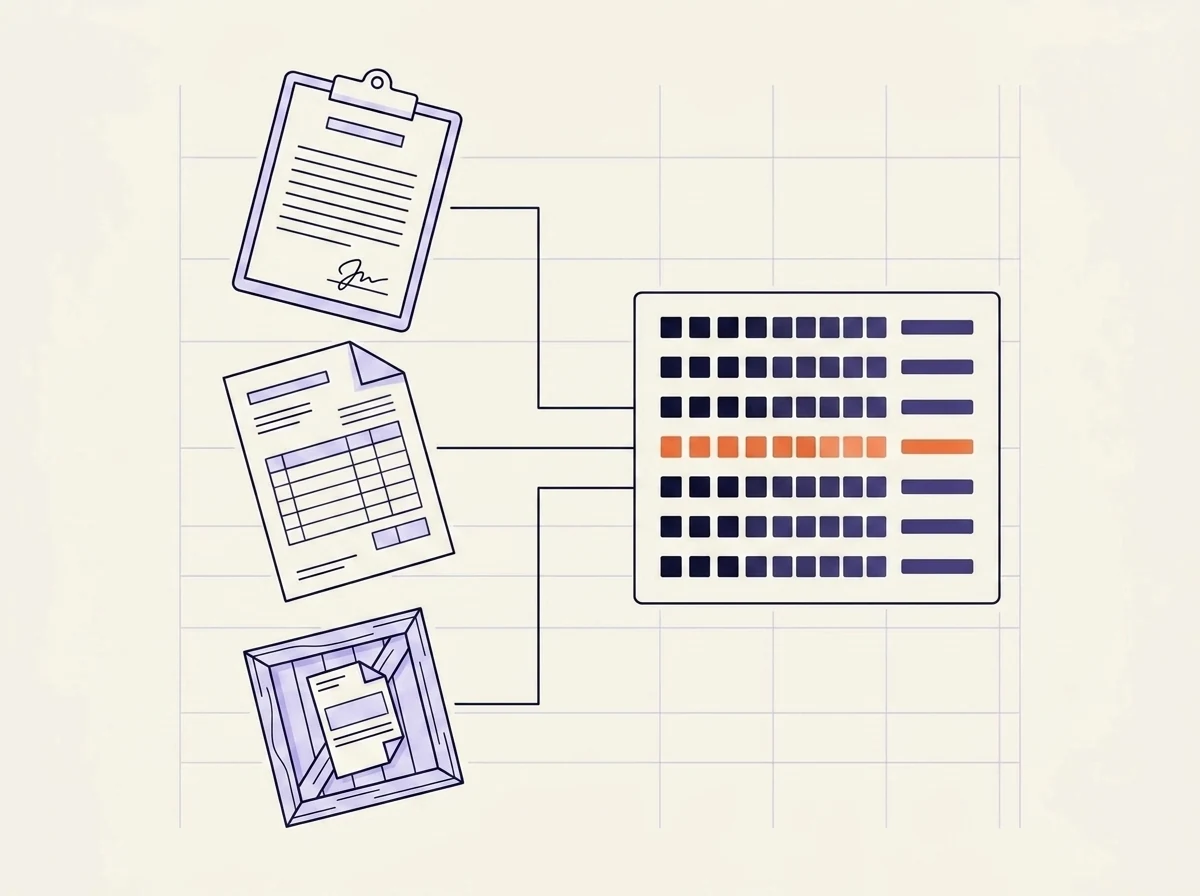
Industrial software is the category of system a heavy operation runs on day to day: the asset register, the maintenance workflow, the dispatch board, the parts shelf and the document trail. It covers enterprise asset management, CMMS, fleet management, transportation management, warehouse and plant systems, and the document and EDI layer that connects them to everyone outside the gate.
What is the difference between industrial software and an ERP?
An ERP holds the commercial record: purchase orders, invoices, ledgers, stock values. Industrial software holds the operational record: which machine is down, who is fixing it, which load left the gate, what the pre-shift check found. Most operations need both. Opsima builds the operational layer and writes clean records back into the ERP you already run.
Do we have to replace the systems we already run?
No, and most projects do not. Tailor mode builds the missing layer on top of the SAP, Oracle, Maximo or Navis you already run, so those stay your main system. Build mode replaces a platform only once you have genuinely outgrown it. Both run on your servers or ours.
Which categories does Opsima cover?
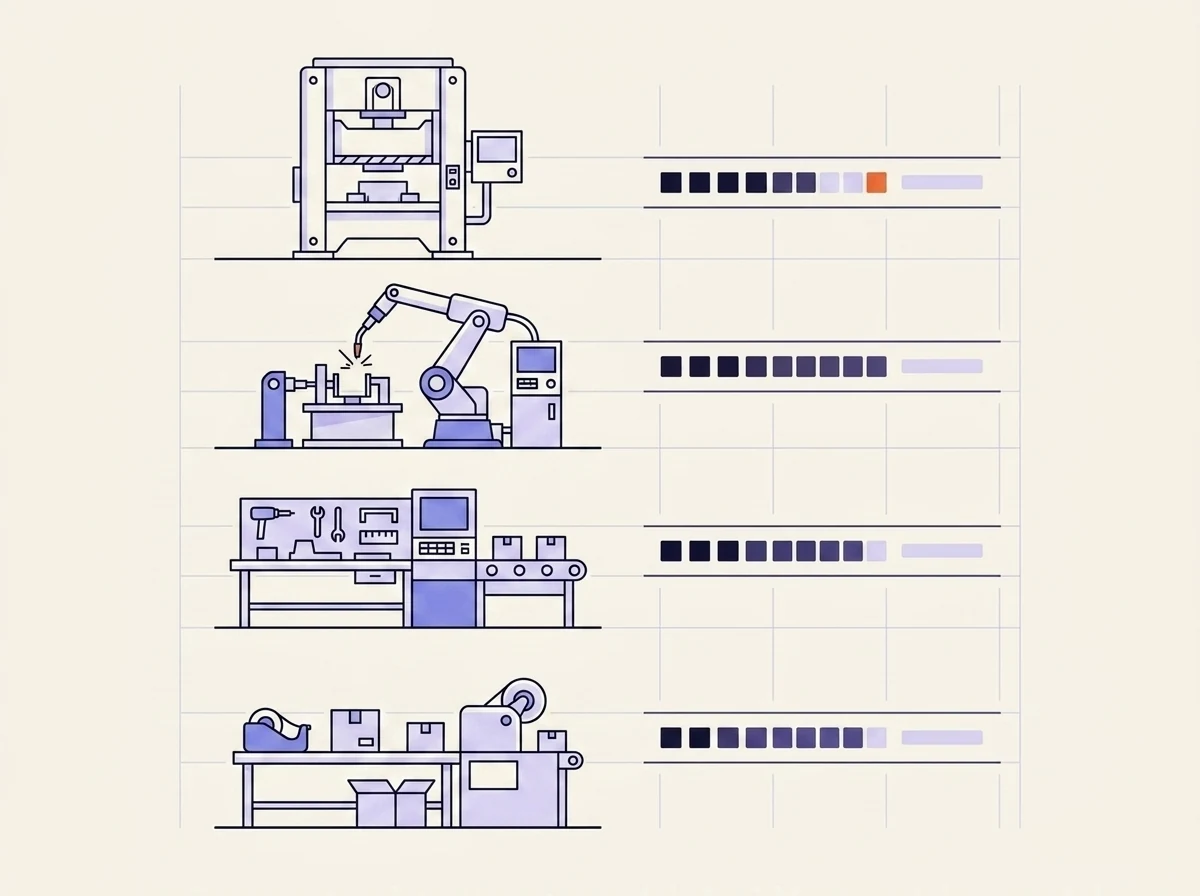
Enterprise asset management, CMMS, predictive maintenance, fleet management, transportation management, EDI, manufacturing execution and warehouse management each have a page today. Terminal operating, ERP extensions and equipment and IIoT monitoring are built on request, on the same platform and the same data model.
How long before something is running?
Working software ships in weeks, on your real data rather than a demo set, because each build starts from one workflow you can name instead of a product that has to be configured into shape. You pay once it earns its place.
Working session

Your operation. Your systems.
Software built for them.

Bring one workflow that costs you more than it should. We build it on your real data and run it with you. You pay only after it goes live.

On your existing stack
Live in weeks, not quarters
Pay only after go-live
Built and run for you